No Contact Orders in Florida: What You Need to Know
Reviewed by Michael P. Maddux, Esq. | Board Certified Criminal Trial Lawyer | Florida Super Lawyer for 16 Consecutive Years
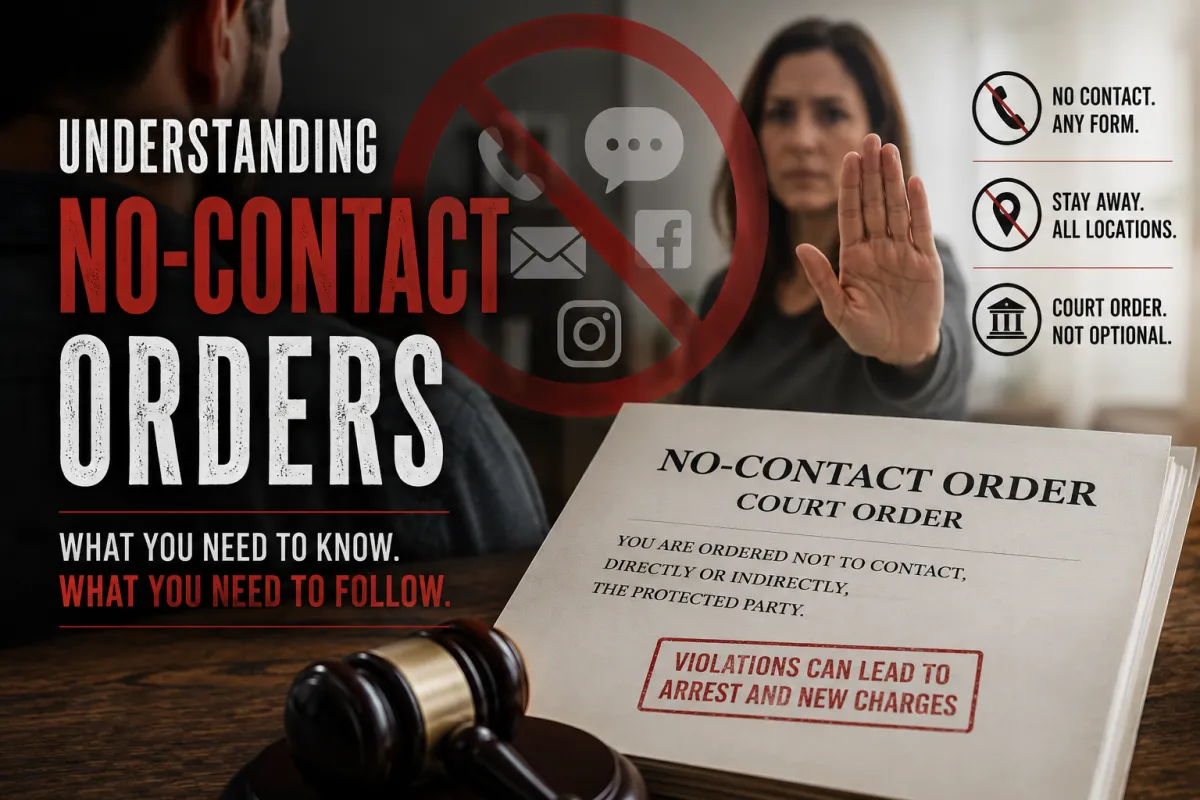
When a court issues a no contact order in a domestic violence case, it means the respondent (the person the order is against) is legally prohibited from contacting the protected party in any form. That includes phone calls, texts, emails, social media messages, third party messages, and in person visits, even if the protected party initiates or welcomes the contact.
These orders often extend beyond direct communication to include staying away from the protected party's home, workplace, school, or other specified locations by a set distance. They may also cover shared children, pets, or property depending on how the order is written.
It's important for clients to understand that a no contact order remains in effect regardless of any reconciliation attempts. Violating it, even with a single text message or a "just checking in" call, can result in immediate arrest and new criminal charges separate from the underlying case.
These orders are typically issued as a condition of pretrial release, probation, or as part of a protective order, and they stay active until a judge formally modifies or lifts them. The protected party cannot waive or cancel it on their own, and the respondent should never assume that silence or lack of enforcement means the order is no longer valid.
📞 Call us today at (813) 253-3363.
